How Long Do Roof Repairs Take? A Practical Timeline

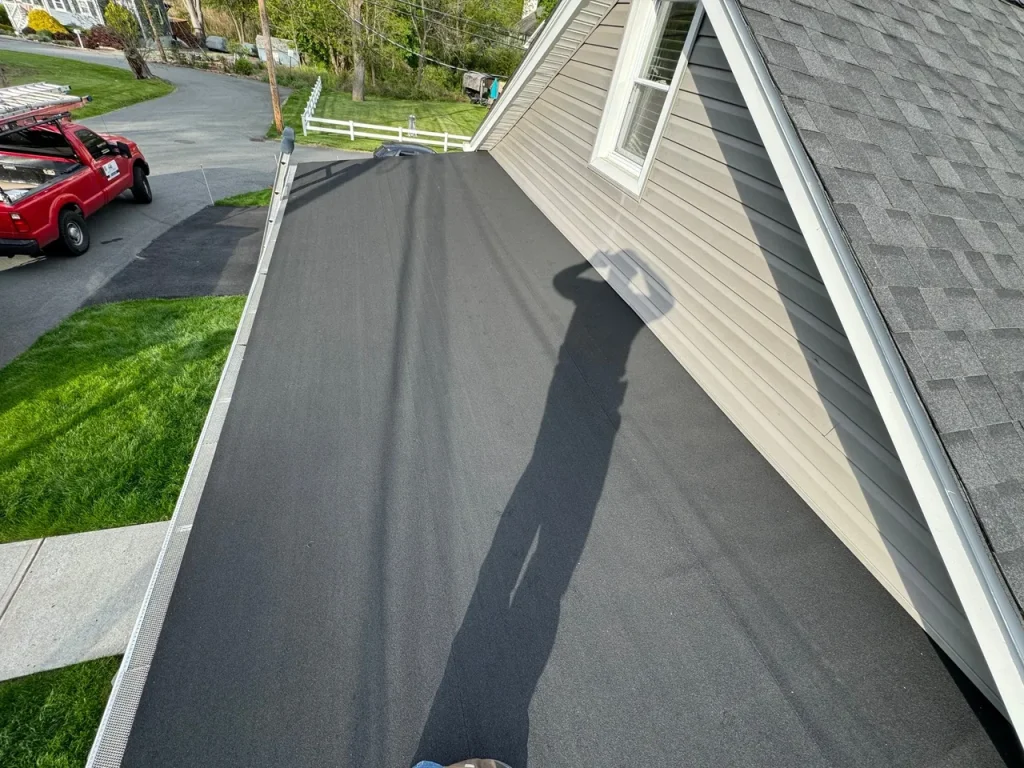

If you ask five roofers how long a repair takes, you may hear five different answers, and all of them could be honest. Roof repairs rarely move on a perfect schedule. The actual time depends on what failed, how easy the roof is to access, what the weather is doing, and whether the crew uncovers hidden damage once the shingles or flashing come off.
Homeowners usually want a simple answer because the leak in the ceiling feels urgent. That makes sense. A stain on drywall, damp insulation, or water running down a wall creates instant pressure. But the practical timeline for roof repairs is not just about how long a crew stands on your roof with tools in hand. It includes diagnosis, materials, scheduling, weather delays, and the final check to make sure the fix actually solved the problem.
From years of seeing repair jobs unfold, the best way royaltyexteriorsnj.com Roof Repairs to answer the question is to break it into real-world stages. A repair that takes two hours on the roof may still take several days from first call to final completion. A larger repair may stretch across a week or more, not because anyone is dragging their feet, but because roofing work is exposed, sequential, and dependent on conditions you cannot control.
The difference between job time and total timeline
One of the biggest misunderstandings around Roof Repairs is the difference between active repair time and calendar time. Those are not the same thing.
Active repair time is the number of hours or days a crew is physically working on the roof. Calendar time is the full period from your first contact with a contractor to the moment the repair is complete and watertight. Homeowners often focus on the first number, but the second is what affects daily life.
A small repair, such as replacing a few lifted shingles around a vent, might take only one to three hours of labor. Yet the full timeline could still be several days if the contractor needs to inspect the issue, fit you into the schedule, wait for matching shingles, or postpone due to rain. On the other hand, a straightforward patch can sometimes happen the same day if the contractor is nearby, the weather is dry, and the needed materials are already on the truck.
That is why the most honest answer begins with context, not a single number.
What a typical roof repair timeline looks like
For many standard residential issues, the overall timeline falls somewhere between one day and one week. The labor itself is often shorter than people expect. The steps before and around the work are what add time.
A common sequence looks like this:
- Initial call and scheduling of inspection, often the same day to three days.
- On-site assessment and estimate, sometimes completed in one visit.
- Material sourcing and crew scheduling, usually one to five days.
- Actual repair work, ranging from one hour to two days for most typical repairs.
- Follow-up inspection or homeowner walk-through, often the same day as completion.
That range can shrink or expand fast. During storm season, schedules back up. After a major wind event or hailstorm, a contractor who normally responds in 24 hours may be booking inspections a week out. In quieter periods, smaller repairs can move very quickly.
Small repairs often take less than a day
Most minor roof repairs are not all-day jobs. If the issue is localized and the cause is visible, an experienced roofer can usually address it in a few hours.
This includes things like replacing a handful of damaged shingles, resealing exposed nail heads, repairing a small section of flashing, or securing a loose ridge cap. If no structural damage is involved and the roof is safe to walk, these are usually efficient fixes. The challenge is not the labor. The challenge is confirming that the visible damage is actually the source of the leak.
That matters because water does not always enter directly above the stain you see inside the house. It can travel along roof decking, framing, or insulation before it shows itself. A leak around a bathroom ceiling might originate higher on the slope near a vent pipe or sidewall flashing. The repair itself may be simple once the source is located, but diagnosis can take longer than expected.
A good roofer does not rush that part. Spending an extra 30 minutes tracing the leak is often what prevents a callback two weeks later.
Roof RepairsMedium repairs usually take one to two days
Once a repair involves a broader section of roofing material, the timeline starts to lengthen. Think of repairs such as replacing underlayment in a damaged area, fixing soft decking, rebuilding flashing around a chimney, or repairing a leak around a dormer where multiple components meet.
These jobs often take one full day and sometimes spill into a second. Not because the square footage is enormous, but because there is a sequence to the work. Roofing layers overlap for a reason. To fix what is underneath, the crew must remove shingles carefully, inspect the substrate, replace any rotten sheathing, install new waterproofing, then rebuild the assembly in the right order.
Chimneys are a good example. Homeowners often assume a chimney leak means a quick patch of caulk. In reality, many chimney leaks involve failing step flashing, counter flashing, or masonry issues. A proper repair can involve removing surrounding shingles, rebuilding metal flashing details, sealing vulnerable joints, and checking for additional damage nearby. That is not a two-hour patch if it is done correctly.
Large repairs can take several days
When people ask about roof repairs, they sometimes mean something short of a full replacement but still substantial. A tree limb may have torn open one slope. Ice damming may have ruined decking and underlayment along an eave. Long-term leaks may have compromised framing, soffits, or insulation.
At that point, the work is still technically repair work, but the timeline behaves more like a small construction project. Three to five days is common, and in more complex cases it can run longer.
The key factors are exposure and rebuilding. Once the roof is opened up, the crew may discover damage that was impossible to confirm during the first inspection. Wet plywood, mold in the attic, deteriorated fascia, or rusted flashing connections can all expand the scope. A responsible contractor will pause, document the issue, explain the options, and update the estimate before proceeding.
That extra communication can feel frustrating if you are eager to get the house closed up, but it is better than covering damaged materials and leaving a deeper problem in place.
Weather is often the biggest reason timelines slip
Roofing is one of the most weather-sensitive trades. A plumber can often work in the rain. A roofer usually cannot, at least not safely or to a proper standard.
Rain is the obvious issue, but it is not the only one. High winds make carrying shingles and handling flashing dangerous. Extreme heat can soften asphalt shingles and create scuffing or sealing problems. Cold temperatures can make materials brittle and adhesives less reliable. Morning frost can turn a moderate slope into a slip hazard.
This is why a contractor may inspect your roof on Tuesday, promise a repair on Thursday, then call Wednesday night to move it to Friday. That is not necessarily poor planning. It is often good judgment.
Experienced crews will sometimes use temporary protection measures if a roof is actively leaking and permanent work must wait. A tarp, sealant, or emergency patch can buy time, but it should be understood as a stopgap. Temporary stabilization is not the same thing as a finished repair.
The roof type changes the pace
Not all roofs repair at the same speed. Material matters, pitch matters, and access matters.
An asphalt shingle roof on a simple ranch house is usually the fastest type of repair. The materials are common, the techniques are familiar, and the access is often straightforward. Metal roofs can go quickly in some cases, but details around penetrations, panel matching, and specialized fasteners can add time. Tile and slate repairs are often slower because the materials are more delicate, more expensive, and more labor-intensive to remove and replace without causing collateral damage.
Pitch changes things too. A low-slope roof can be easier to stand on but may involve membrane systems that require specific installation conditions. A steep roof demands more setup, more safety gear, and slower movement. Even a small repair on a very steep roof can take longer than a medium repair on a walkable one-story roof.
Then there is access. If a crew can back a truck into the driveway and ladder the roof easily, the day moves faster. If the house is tightly fenced, landscaped, or built on a slope with limited staging area, setup and cleanup take longer. Those are not glamorous details, but they affect the schedule.
Hidden damage is the wildcard
If there is one factor that consistently changes repair duration, it is hidden damage. You do not always know the true extent of a roof problem until materials come off.
A leak that appears minor on the surface can reveal soft decking around a vent, rotted fascia at the edge, or damaged underlayment extending much farther than expected. Water is patient. It can work into joints and remain unnoticed for months, especially in attics with limited access or older insulation.
This is where experience matters. Seasoned roofers learn to look for clues before they start, such as staining patterns, sagging sheathing, soft spots underfoot, granule loss, rust bleed, and cracked seal lines. But even with a careful inspection, some conditions remain hidden until demolition begins.
When that happens, the timeline lengthens for a good reason. The crew is no longer just replacing surface material. They are restoring the roof assembly so it can perform again. That may require carpentry, additional materials, or even coordination with another trade if interior water damage, gutters, or masonry are involved.
Emergency repairs move fast, but not always completely
There is a difference between emergency response and complete repair. After a storm, many homeowners need the house protected immediately. In that situation, a roofer may arrive quickly, stop active water intrusion, and stabilize the damaged section the same day.
That does not always mean the final repair is done.
A classic example is wind damage after a weekend storm. The contractor may tarp the exposed area on Sunday, inspect in detail on Monday, order matching materials on Tuesday, and complete the permanent work later in the week. From the homeowner's perspective, the crisis ends quickly, but the project itself continues.
This distinction matters for planning. If you need documentation for insurance, if materials are special order, or if the roof is part of a larger storm claim involving gutters and siding, the total timeline can grow even if the immediate risk is controlled fast.
Permits and approvals can add time, though not always
Most small roof repairs do not require lengthy permitting, but some do. Rules vary by location, and the line between repair and replacement is not always intuitive. Structural repairs, extensive decking replacement, and work in historic districts can trigger approvals or inspections.
Insurance can add another layer. If your repair is part of a claim, there may be an adjuster visit, supplemental documentation, or pricing review before all work proceeds. None of this means the contractor is moving slowly. It means the repair exists inside a process with outside decision makers.
Homeowners are often surprised by how much time can be spent waiting for paperwork rather than swinging hammers. That is especially true after regional storms, when adjusters, suppliers, and contractors all have heavy backlogs.
How to tell whether your timeline is reasonable
Most delays are explainable. The question is whether your contractor communicates clearly and adjusts appropriately.
A reasonable timeline usually includes a defined inspection window, a clear explanation of the repair scope, realistic discussion of weather or material risk, and updates if anything changes. A contractor who says, "We found rotten sheathing under the valley and need half a day more," is acting normally. A contractor who disappears for a week without explanation is not.
Here are a few signs the timeline is being managed well:
- The contractor explains the difference between temporary and permanent repair.
- Weather delays are communicated before the scheduled day when possible.
- Scope changes are documented with photos or a walk-through.
- Material lead times are discussed honestly, especially for nonstandard roofing products.
- You know who to contact if the leak worsens before the final repair is complete.
That level of communication does not eliminate inconvenience, but it builds trust. And with roof work, trust matters because homeowners cannot easily verify every detail from the ground.
What homeowners can do to keep repairs moving
You cannot control the weather, but you can remove some common bottlenecks. Small practical steps often save more time than people expect.
Make the affected area accessible. If the contractor needs attic access, clear a path and move stored boxes away from the hatch. If vehicles block the driveway, relocate them before the crew arrives. If pets are likely to bolt when workers come and go, have a plan for that. If you have records from a previous repair or replacement, keep them ready. Those details can speed diagnosis and reduce uncertainty.
It also helps to describe the problem precisely. Instead of saying, "The roof leaks sometimes," note when it leaks, where the stain appears, whether it happens only during wind-driven rain, and whether the issue began after a storm. That kind of information can shorten the investigative stage considerably.
Finally, resist the temptation to request a cosmetic shortcut. Homeowners under stress sometimes ask for "just a quick patch." But the fastest repair is not always the best repair, and short-term fixes often become repeat visits. A repair done once, correctly, is usually the better timeline in the long run.
Common repair examples and how long they often take
Real timelines become clearer when you look at familiar scenarios.
A cracked pipe boot on an asphalt roof is often a half-day job or less. The roofer removes surrounding shingles as needed, replaces the boot, reseals the area, and reinstalls or replaces the shingles around it. If the shingles are brittle or the roof is older, that can slow things slightly, but it is still usually quick.
A flashing repair around a skylight may take a full day. Skylights concentrate several risk points in one area, and a proper fix may involve removing surrounding roofing materials, correcting underlayment details, and reinstalling components carefully to maintain drainage.
A valley leak with rotted decking may take one to two days. Valleys carry concentrated water flow, so when they fail, the damage often extends beneath the surface. Crews may need to replace sheathing, install ice and water protection, and rebuild the valley detail from scratch.
A storm-damaged section where a branch penetrated the roof can take several days, especially if framing or interior finishes are involved. The roofer may need to coordinate with a carpenter or restoration contractor, and drying time can become part of the project if insulation and ceilings got wet.
These examples are not promises, but they show how the same category, roof repair, can mean very different amounts of work.
Why older roofs can take longer to repair
Age changes everything. Older roofs tend to be slower to repair, not always because the damaged area is larger, but because the materials are more fragile and less forgiving.
On an aging asphalt roof, shingles can crack when lifted. Matching color and profile becomes harder. Seal strips may have fused unpredictably, and the decking beneath may have endured years of minor moisture cycling. All of that makes a "simple" repair less simple.
There is also the judgment call about whether repair is still the right move. A good contractor should be honest if a roof near the end of its life is not a strong candidate for repeated patching. Sometimes a repair is still worthwhile to address an isolated issue and buy time. Other times, the work becomes a temporary measure on a system that is broadly worn out.
That conversation can slow the process because it deserves care. Homeowners need a real recommendation, not a reflexive upsell and not false reassurance.
The practical answer most homeowners need
So, how long do roof repairs take?
For minor issues, expect a few hours of labor and anywhere from same-day service to several days on the calendar. For moderate repairs, one to two days of work is common. For larger or more complex repairs, several days to a week or more is realistic. Add extra time if weather is unstable, damage is hidden, materials are specialized, or insurance is involved.
The shortest answer is this: the repair itself is often faster than the process around it.
That is not bad news. It simply means the most accurate timelines come from inspection, not guesswork. When a contractor sees the roof, understands the failure point, checks access, and looks at the weather window, the estimate gets much sharper.
If you are facing a leak right now, focus first on urgency and protection. Stop active water intrusion, document what you can, and get an experienced roofer to inspect the roof promptly. Once the source is identified, the timeline usually becomes much easier to predict. And in roofing, a realistic timeline is far more useful than a fast answer that turns out to be wrong.
Royalty Exteriors
151 NJ-10 Suite 103A
Succasunna, NJ 07876, United States
+1 973-333-7234
FAQ About Roof Repairs
Can you fix a roof leak without replacing the whole roof in Succasunna,NJ?
Often, a localized leak can be repaired without replacing the entire roof, depending on its cause and the condition of the surrounding materials. Damaged shingles, flashing, or a roof penetration may need targeted work. Royalty Exteriors offers roof repairs for leaks, storm damage, and shingle issues. An inspection is needed to determine the appropriate scope.
What is considered a minor roof leak?
A leak may be considered minor when the damage is limited to a small area and the surrounding roofing remains sound. A small ceiling stain alone does not establish the extent of the problem because water can travel before becoming visible. Have the source and any concealed damage assessed promptly.
Is it better to repair or replace a leaky roof?
The decision depends on the roof's age, overall condition, leak source, extent of damage, and history of previous repairs. A localized problem on an otherwise serviceable roof may be suitable for repair. Widespread deterioration or recurring leaks may justify considering replacement. Ask for an inspection and a written explanation of the recommended work before deciding.