Roof Repairs for Coastal Homes: Salt, Wind, and Moisture Challenges
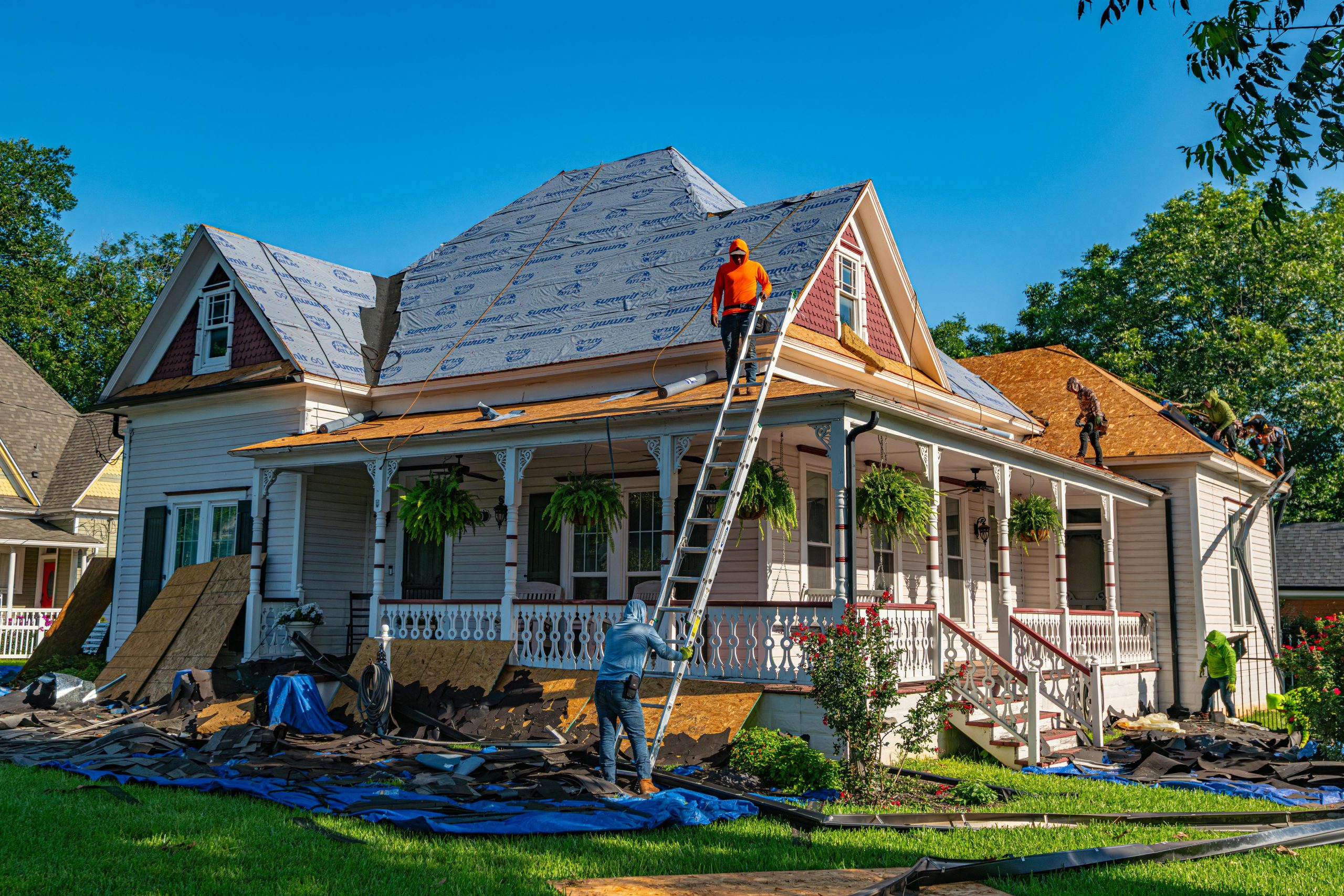
Owning a home near the water has obvious rewards. Light changes by the hour, breezes move through the rooms, and a clear day can make even routine maintenance feel tolerable. The roof, however, lives on the harsher side of that bargain. Coastal exposure accelerates wear in ways that surprise homeowners who have only dealt with inland houses. A roof that might hold up respectably in a dry suburban neighborhood can age quickly when it faces salt spray, sustained humidity, and wind that works every seam over and over again.
That is why Roof Repairs for coastal homes require a different mindset. The issue is not just storm damage after a named event. It is the cumulative stress of a marine environment. Fasteners corrode faster. Sealants harden, crack, or lose adhesion sooner. Flashings can pit and stain. Even when shingles still look acceptable from the driveway, the vulnerable parts of the system are often already under strain.
A coastal roof usually fails in the details before it fails in the field. Valleys, eaves, ridges, vent penetrations, skylight curbs, and wall intersections often show trouble first. If those areas are ignored, small weaknesses turn into interior leaks, deck rot, insulation damage, and mold conditions that cost far more than the original repair would have.
The coast changes the rules
Salt is one of the most misunderstood factors in roofing. Homeowners often think only homes directly on the beach deal with salt damage, but airborne salt can travel inland, especially in exposed areas with open terrain. It settles on metal components, holds moisture against surfaces, and speeds up corrosion. The effect is not always dramatic at first. A gutter bracket may show light rust. Exposed nail heads may discolor. The collar around a plumbing vent may look slightly chalky or pitted. Months or years later, those same components can become failure points.
Wind adds a second layer of risk. Coastal wind is rarely a one-time event. Even when there is no storm warning, roofs in these areas often endure repetitive uplift pressure. Shingle edges can loosen gradually. Ridge caps can break their seal. Mechanical fasteners in metal systems can back out incrementally. On tile roofs, underlayment and edge details matter just as much as the visible surface because once wind-driven rain gets beneath the outer layer, the roof assembly starts taking on moisture in places it was never meant to.
Humidity and rain do the rest. Moisture does not need a dramatic hole to enter a roofing system. In coastal climates, repeated wetting and slow drying are enough to expose weak flashing, marginal ventilation, and old sealants. I have seen roofs with no obvious missing shingles still leak around chimney flashing because the metal had corroded at the overlap. I have also seen attic spaces in otherwise attractive homes where the problem was not a direct roof opening at all, but trapped humidity condensing under the deck because intake and exhaust ventilation had never been balanced.
Why coastal Roof Repairs often start with metal, not shingles
Most homeowners look at the roof covering first. That makes sense. Shingles, metal panels, or tile are what you can actually see. But on coastal homes, repair work often begins with the components that connect and secure the roof system.
Fasteners are a common culprit. In marine environments, the wrong Roof Repairs nail or screw can age out well before the roof covering itself. Corroded fasteners lose holding strength, and once uplift resistance drops, wind has an easier time peeling materials back. This is especially important along edges and corners of the roof, where pressure tends to be strongest.
Flashing deserves the same level of scrutiny. Step flashing at sidewalls, apron flashing where a roof meets a chimney, counterflashing embedded in masonry, and valley metal all face direct exposure to moisture. Salt-laden air can shorten their useful life, particularly if lower-grade metal was used during the original installation. It is not uncommon to inspect a roof where the shingles have several years left, but the flashing is already due for replacement or at least targeted repair.
Sealants create another false sense of security. A fresh bead of caulk can make a repair look complete, but caulk alone is rarely a durable coastal strategy. Under ultraviolet exposure, heat, salt, and movement, many sealants degrade quickly. The best repairs rely on proper overlaps, mechanical attachment, and compatible materials first. Sealant supports the detail, it should not be the detail.
The trouble spots that deserve close attention
Certain parts of a coastal roof tend to tell the story earlier than others. If I were walking a homeowner through a maintenance inspection, I would slow down at the transitions and penetrations rather than stare only at the main roof planes.
Here are the signs that often point to developing trouble:
- Rust staining around fasteners, vents, flashings, or drip edges
- Lifted shingle tabs or ridge caps that no longer sit flat
- Cracked sealant at penetrations, skylights, or wall intersections
- Soft roof decking near eaves or around chronic leak areas
- Interior ceiling stains that appear after windy rain, not just heavy rain
That last detail matters. A leak that shows up only when rain blows from a certain direction often points to flashing or wind-driven intrusion, not simply worn field shingles. Coastal leaks can be directional, intermittent, and deceptively hard to trace if the inspection is rushed.
Materials behave differently by the shore
Not every coastal home has the same roof, and no single material is perfect in every setting. The right repair strategy depends on what is already in place, how exposed the property is, and whether the goal is to buy a few reliable years or extend the life of the system for the long term.
Asphalt shingles remain common because they are economical and familiar to most contractors. On the coast, they can perform adequately, but details matter more than ever. High-wind rated shingles, proper nailing patterns, quality underlayment, and secure starter strips are not optional upgrades in exposed areas. If a repair crew replaces a few missing tabs but ignores brittle adjacent shingles or poorly adhered starter courses, the fix may not survive the next season.
Metal roofing can be excellent for coastal homes, but only when the panel type, finish, and fasteners are suited to marine exposure. There is a world of difference between a properly specified coastal metal roof and a cheaper installation that uses incompatible metals or inadequate coatings. Galvanic corrosion becomes a real concern when dissimilar metals are paired carelessly. Even a small hardware substitution can create long-term problems.
Tile roofs, whether concrete or clay, have their own coastal strengths and weaknesses. The tiles themselves may hold up well, but underlayment aging, edge fastening, and flashing integrity become critical. A homeowner may look up and see a handsome roof that appears solid, while the underlayment beneath is already near the end of its service life. Repairs on tile roofs require patience because cracked tiles are only part of the story.
Low-slope sections are particularly vulnerable near the coast. Porches, additions, and upper-level transitions often include membranes or modified bitumen assemblies. These areas can suffer from ponding, seam fatigue, and flashing failure, especially where salt, debris, and standing moisture combine. Many leak calls on coastal homes trace back not to the main roof but to a secondary low-slope section that was overlooked.
Wind damage is not always obvious
After a storm, many owners scan the yard for debris and assume no fallen branches means no real roof damage. That is understandable, but wind often leaves subtler clues. A shingle can crease without tearing off. A metal edge can lift slightly without being visible from the ground. Ridge caps can loosen while still appearing aligned. Those are the kinds of conditions that become active leaks later.
A house on the coast may also experience cumulative wind fatigue rather than one dramatic failure. I remember a property a few streets back from the ocean, not direct waterfront, where the owner was puzzled by recurring bedroom ceiling stains. The roof had been repaired twice after storms, and each time the visible issue had been addressed. When we inspected closely, the larger problem was a combination of small wind-related movement at the ridge, aged vent boot flashing, and fasteners beginning to corrode along a high-exposure slope. No single defect looked catastrophic, but together they allowed wind-driven moisture into the assembly. Once the repairs addressed the system rather than the symptom, the leaks stopped.
That pattern is common in coastal Roof Repairs. Patchwork can fail not because the roofer missed an obvious hole, but because several modest weaknesses were interacting. Good diagnosis is half the job.
Moisture damage can spread beyond the roof surface
When water gets past a coastal roof, the damage path is not always straightforward. It may wet the roof deck, travel along rafters or trusses, soak insulation, and emerge far from the point of entry. In humid climates, even minor leakage can create a stale attic environment that encourages mold growth on wood framing and sheathing.
The attic often reveals more than the roof surface. Darkened sheathing, corroded nail tips, matted insulation, or a musty smell can point to chronic moisture issues. Sometimes the answer is an exterior repair. Other times the roof also needs ventilation improvements so incidental moisture can dry properly. Without that drying potential, even quality repair work can underperform.
Soffits and fascia should not be ignored either. In coastal settings, these components often show the consequences of roof edge problems first. If drip edges are undersized, if gutters overflow during wind-blown rain, or if the first course of roofing has loosened, water may work into the fascia and eave assembly. By the time paint peels or wood softens, the issue has usually been active for a while.
Repair versus replacement, the judgment call matters
Coastal homeowners are often told one of two things, neither of them fully helpful. One contractor says the roof just needs a small patch. Another says the whole system is shot. The right answer sits in the details.
If the roof is relatively young, the deck is sound, and the damage is localized, repairs can be the sensible move. Replacing failed flashing, re-securing wind-lifted sections, upgrading fasteners in targeted areas, replacing vent boots, and correcting underlayment at vulnerable transitions can add meaningful life.
If the roof is already near the end of its expected service life, however, repair money can disappear quickly. On a coastal home, an old roof with widespread corrosion, brittle coverings, and recurring leaks often costs more in repeated service calls than it would to replace strategically. This is especially true when the roof was not originally built with local wind exposure and marine conditions in mind.
A practical rule is to look at three things together: age, condition of the hidden components, and history of leaks. A seventeen-year-old inland roof might still be a reasonable repair candidate. A seventeen-year-old roof half a mile from open water, with corroded flashing and repeated wind repairs, is a different case entirely.
What a thorough coastal roof repair plan should cover
Many frustrating repair jobs fail because they are too narrow. Replacing what is visibly broken is sometimes enough, but coastal roofs usually reward a broader scope. A good repair plan should consider not only the damaged area but the surrounding exposure and compatibility of materials.
The strongest repair plans usually address these priorities:
- Stop active water entry at the actual source, not just where stains appear
- Replace corroded or undersized metal components with marine-appropriate materials
- Restore wind resistance at edges, ridges, and penetrations
- Check nearby decking and underlayment for hidden moisture damage
- Reduce future risk through ventilation, drainage, and routine inspection
Notice that appearance is not on that list. Cosmetic matching matters, particularly on visible slopes, but performance comes first. Coastal conditions are too punishing for decorative fixes that do not address the cause.
Salt and corrosion, the quiet budget killer
Corrosion rarely creates urgency at the start. That is part of why it is expensive. Homeowners tolerate a bit of staining or surface rust because the roof is not leaking today. Then a fastener head fails, a flashing hole opens, or a gutter connection gives way during a storm, and suddenly there is interior damage.
The challenge is that corrosion works at multiple levels. Surface oxidation may be mostly cosmetic, while hidden corrosion at fasteners and joints can be structurally significant. Stainless steel hardware and higher-grade metal flashings cost more up front, but in marine environments they often justify the expense by reducing repeat repairs. The exact specification depends on the assembly, but the principle holds. On the coast, cheap metal is expensive later.
Contractors who regularly work inland sometimes underestimate this. They may use familiar products that perform acceptably elsewhere but age poorly near salt air. That does not mean every coastal repair must involve premium materials everywhere, but it does mean compatibility and exposure should drive the choices.
Timing repairs around weather, not just the calendar
Coastal work has a seasonal rhythm. Dry windows matter. So does temperature, especially for sealants and self-adhered materials. Scheduling repairs just before storm season often creates unnecessary risk because crews are busier, weather windows are tighter, and temporary fixes have less margin for error.
The best time for non-emergency roof repairs is usually before problems become urgent. Late winter through spring can be ideal in many coastal regions, though local climate varies. The main goal is to inspect early, repair during stable conditions, and avoid entering peak storm months with known vulnerabilities.
Emergency repairs, of course, do not wait. In those cases, stabilization comes first. Tarping, temporary waterproofing, and securing loose materials are sometimes necessary until permanent work can be done safely and properly. What matters is being honest about the difference between emergency mitigation and a complete repair.
Maintenance habits that pay off near the water
Coastal roofs do not need constant fussing, but they do benefit from disciplined upkeep. The owners who spend the least over time are often the ones who inspect routinely and act early. They are not necessarily replacing roofs more often, they are avoiding the cascading damage that follows neglect.
A practical rhythm usually includes visual checks after major wind events, attic observation during rainy periods, and professional inspections at intervals appropriate to the roof age and exposure. Homes directly on the shoreline, or in open, unsheltered lots, generally need closer attention than homes farther inland with tree cover and less salt exposure.
Cleaning also matters, though it should be done carefully. Salt residue, debris in valleys, clogged gutters, and organic buildup that traps moisture can all shorten roof life. Aggressive pressure washing is often counterproductive, particularly on shingles and some coated metal surfaces. Gentle methods and material-specific care are far safer.
Choosing the right contractor for coastal Roof Repairs
This is one area where local experience matters more than polished sales language. A contractor who understands inland roofing generally may still miss the repair priorities of a marine environment. Ask how often they work on coastal homes. Ask what metal components they recommend near salt exposure and why. Ask how they trace wind-driven leaks that only appear under certain storm conditions.
Good answers are usually specific, not theatrical. You want someone who talks about flashing laps, fastener type, underlayment condition, ventilation, and exposure zones. You also want someone willing to say when a repair is worthwhile and when replacement is the more responsible recommendation.
Written scope matters too. “Repair leak around chimney” is vague and invites misunderstanding. “Remove surrounding roofing as needed, replace step flashing and apron flashing, inspect deck for rot, install compatible underlayment, and re-roof tie-in area” is far more useful. Coastal work benefits from clarity because hidden conditions are common and material choices matter.
A coastal roof can last, but only if the weak points are respected
Homes by the water ask more from every exterior component, and the roof takes the hardest beating. Salt works quietly, wind works repeatedly, and moisture exploits every shortcut. That is why coastal Roof Repairs are rarely just about patching what is visible. They are about understanding how the environment attacks the system, then repairing the system in a way that respects that reality.
Handled well, repairs can extend service life, protect the structure, and reduce long-term costs. Handled casually, they become a cycle of leaks, callbacks, and compounding damage. Near the coast, that difference usually comes down to materials, diagnosis, and attention to detail. Those are not glamorous things, but they are what keep the rain out when the weather turns.
Royalty Exteriors
151 NJ-10 Suite 103A
Succasunna, NJ 07876, United States
+1 973-333-7234
FAQ About Roof Repairs
Can you fix a roof leak without replacing the whole roof in Succasunna,NJ?
Often, a localized leak can be repaired without replacing the entire roof, depending on its cause and the condition of the surrounding materials. Damaged shingles, flashing, or a roof penetration may need targeted work. Royalty Exteriors offers roof repairs for leaks, storm damage, and shingle issues. An inspection is needed to determine the appropriate scope.
What is considered a minor roof leak?
A leak may be considered minor when the damage is limited to a small area and the surrounding roofing remains sound. A small ceiling stain alone does not establish the extent of the problem because water can travel before becoming visible. Have the source and any concealed damage assessed promptly.
Is it better to repair or replace a leaky roof?
The decision depends on the roof's age, overall condition, leak source, extent of damage, and history of previous repairs. A localized problem on an otherwise serviceable roof may be suitable for repair. Widespread deterioration or recurring leaks may justify considering replacement. Ask for an inspection and a written explanation of the recommended work before deciding.